Earlier this year, severe flooding devastated lives and livelihoods across Central and Southern Mozambique, deepening suffering in a country already facing a humanitarian crisis marked by mass displacement, hunger, and a decline in international aid.
Felizarda, a mother of two from Boane, Mozambique was caught off guard when her home was taken over by the rapid and violent rise of the waters. In just a few hours, everything she had built over a lifetime was submerged.
“When the water started rising in the river, we realised there was no way we could stay. There was no time to save anything. We fled immediately and only took our children and nephews. We left home with nothing.”
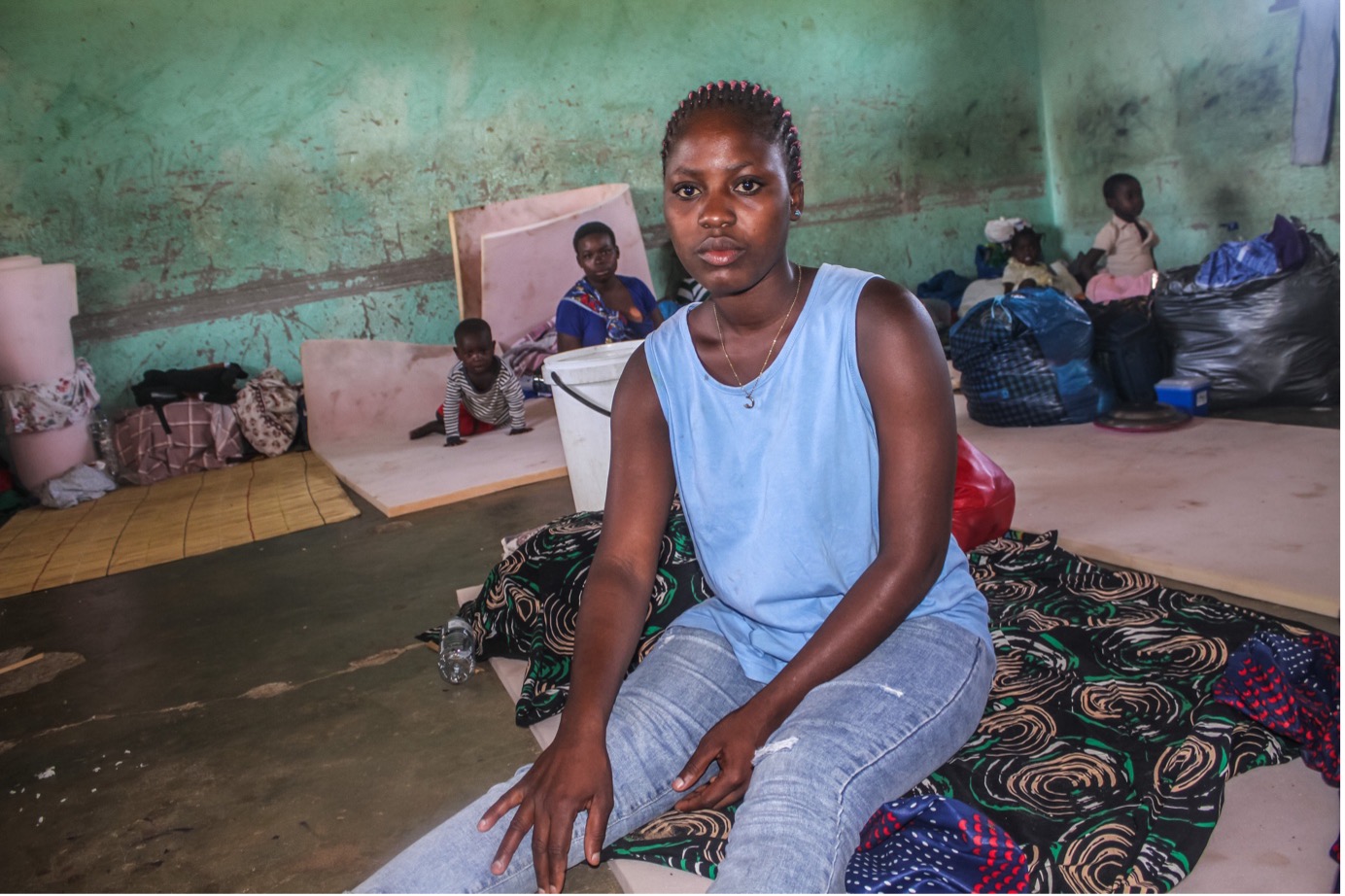
Felizarda, a mother of two from Boane, Mozambique was caught in floodwaters.
Around the world, climate change is driving an increase in cyclones, floods, and droughts, which in turn is causing mass displacement. When forced to flee their home, women like Felizarda turn to temporary shelters for safety. In these shelters, access to water, soap, private spaces, and sanitary products like pads can be hard to come by, which makes it a challenge for women to manage their periods, health, and dignity.
What’s more, a lack of period products for women and girls creates a dire situation, as they are often forced to resort to unsafe alternatives to manage their periods which can put them at risk of discomfort and infections. Stigma and shame surrounding menstruation are further exacerbated in cramped and crowded living conditions also leads to social isolation and emotional distress.
After losing everything when a disaster strikes, women and girls should not have to worry about managing their health and hygiene. This is why ActionAid works with local partners to prepare and distribute dignity kits to support women’s health and hygiene needs in an emergency.
What’s in a dignity kit?
Every dignity kit looks a little different between emergency responses around the world. When preparing the kits, ActionAid’s local partners consult women in each community to ensure the dignity kits include products they need.
Most kits include:
- sanitary pads
- soap
- toothbrushes and toothpaste
Women leading the response
ActionAid invests in women leaders before disaster strikes. So when the worst happens, they are ready to respond. Behind every conflict or disaster, women are already on the ground, organising emergency shelters, setting up safe spaces for women and girls, and distributing urgent relief like dignity kits.
When access to clean water, clothes, and sanitary products becomes almost impossible, women are left at risk of serious health issues. Donate to support women by protecting their health and preserving their dignity.