Women and families across the Global South are being forced to skip meals, pull children out of school, and scale back food production as fuel prices soar from the US and Israel’s illegal war on Iran.
A permanent ceasefire is critical for women and communities bearing the brunt of this crisis. But right now, Global South countries need urgent support to respond and recover as rising fuel costs push up the price of almost everything people rely on to survive.
Women desperate for the war to end
This week US and Iranian negotiators have been in Switzerland for talks to end the US and Israel’s illegal war.
For women and communities in Somaliland, relief cannot come soon enough. Farmers were already confronted with some of the fiercest impacts of the climate crisis – from prolonged drought and extreme heat to erratic flooding.
Now, rising fuel prices are driving up the costs of everything from operating water pumps to transporting produce and acquiring seeds, restricting the amount of food they can produce.
“Fuel costs have skyrocketed for us,” Saynab, a farmer in Somaliland told us. “The expenses of the farm, whether for labour, fuel, or equipment have risen drastically. Because of this, instead of the two hectares we used to cultivate before, today, we are forced to farm just half a hectare in order to sustain ourselves and our families. When it comes to [selling our produce], we are hindered by poor roads and the increased cost of fuel for vehicles, which has doubled our expenses.”
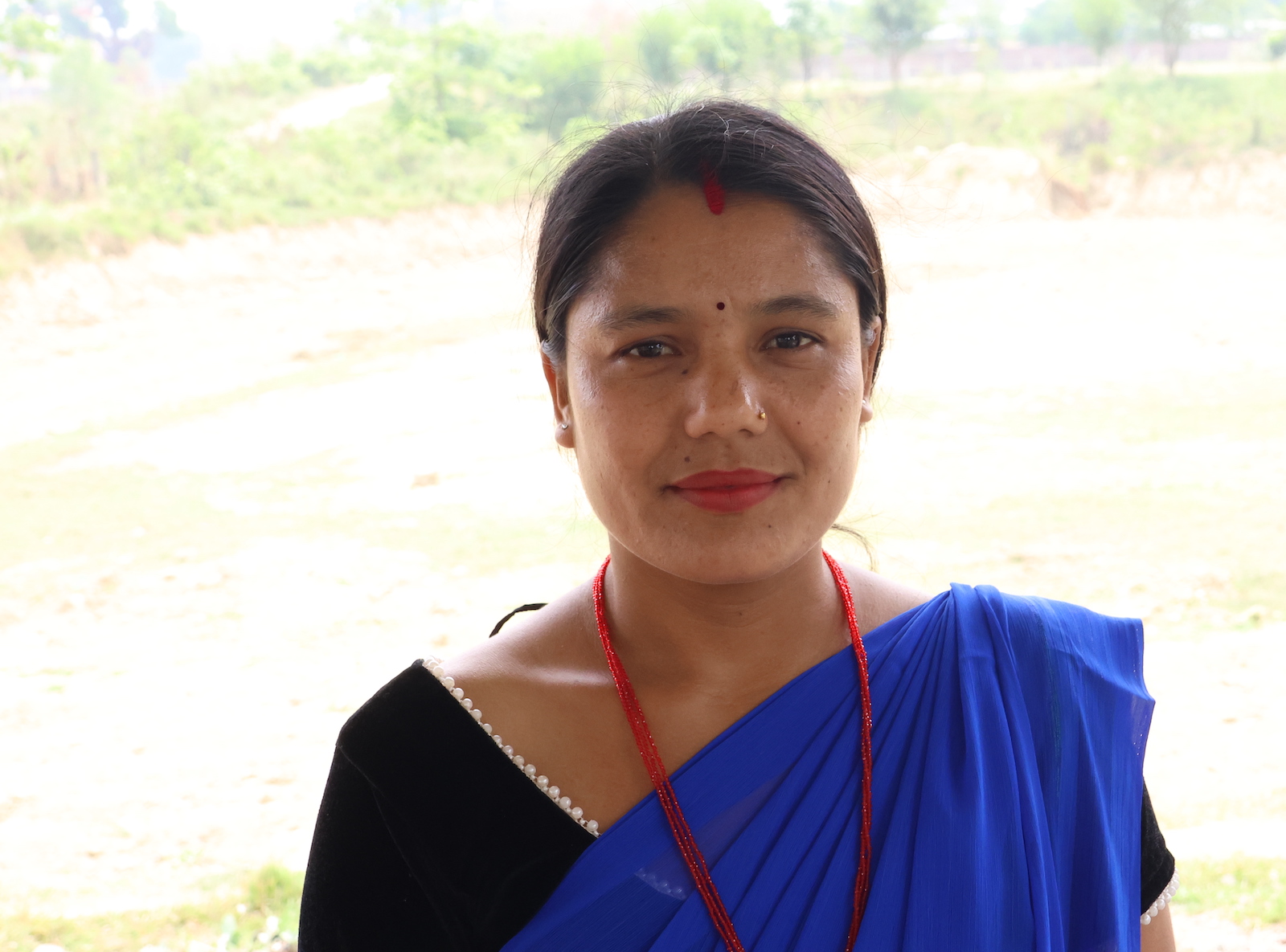
For Sanjila Kumal, a mother and co-secretary of the Shanti Shramik Women’s Group, inflation has pushed her family deeper into hardship.
In Nepal, the cost of living has risen sharply while wages remain the same, meaning women and communities are being pushed further into poverty just to maintain their daily lives.
“Sometimes transportation costs can be nearly a third of what we earn in a day,” says Sanjila Kumal, co-secretary of the Shanti Shramik Women’s Group in Shivaraj Municipality. “The cost of daily essentials like cooking oil and cooking gas has sharply increased, and it has become expensive to even attend hospital appointments and take care of [our health].”
Australia’s role in this global crisis
Across the world, Australia aid does lifesaving work: it helps advance women’s rights and gender equality, strengthens health systems, and gives communities the tools they need to respond to conflict, climate change and humanitarian crises. And incredibly, Australian aid achieves all that with less than 1% of the Federal Budget.
Over the last two years, overseas aid funding has fallen by more than 25% around the world as rich governments across the world have dramatically cut their aid budgets. Australia has bucked the trend and maintained its overseas aid funding, but it’s going backwards as a proportion of the federal budget and is falling well short of Australia’s global fair share.
As rising fuel costs compound the cost of living crisis and push women and communities further into poverty, Australian aid is needed now more than ever. Will you pledge your support for Australian aid and call on Australia to act?